
The light we carry within us: why your thoughts create your world
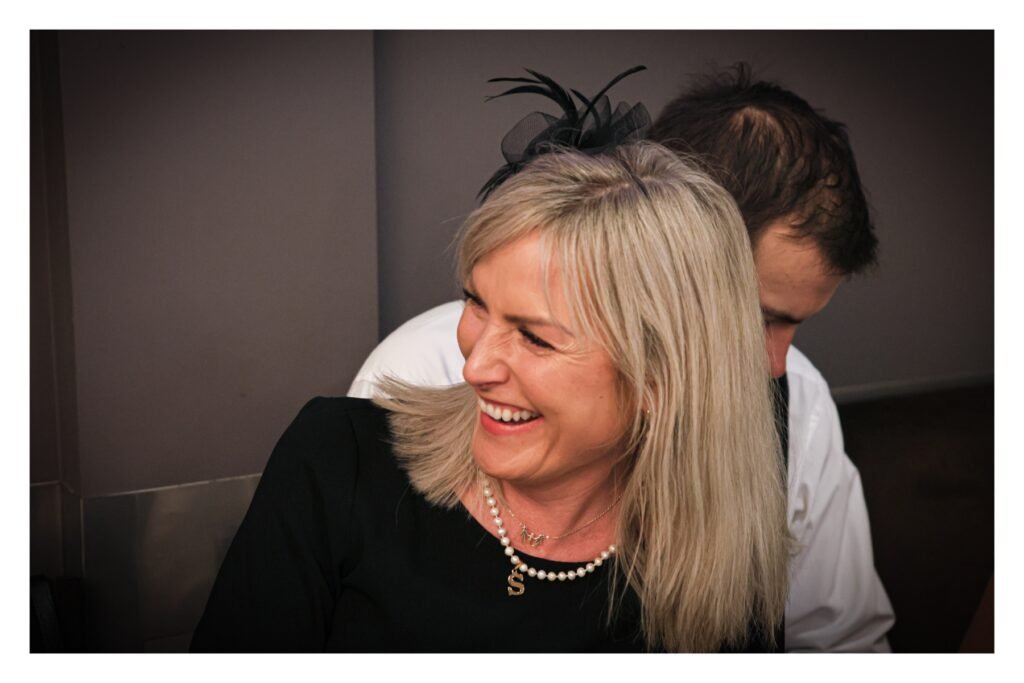
Sometimes in life, one story, one sentence, or one person is enough to see oneself in a new way. For me, such a moment came during an event, where I heard a simple, yet very profound thought: we are the ones who infect each other with good or bad moods.
This is not just a beautiful phrase. It is a reality also confirmed by science. We often think that our mood depends on other people or circumstances. But the truth is different: we are much more dependent on ourselves than on others. What we feed our minds with is what we live in.
A morning on the bus that changes perspective
I want to share a story that deeply touched me.
It was a regular weekday morning. The bus was full of people: some were on their way to work, others to studies, some to job interviews, and still others were on their way home from a party. Everyone was different, with their thoughts, feelings, and fatigue. Most were quiet, tired, as if they were “switched off”.
And then a man started talking.
He spoke loudly and with enthusiasm about what he saw outside the window:
“Over there, on the left side, there’s a fantastic fountain. It’s being prepared for spring. So many people gather there, so many children laugh, so many dreams come true when people throw coins into the water…”
The bus drove on, and the man continued:
“And there’s a park. So many trees, flowers, birds… How many stories that park has seen: love, sorrow, children’s laughter, old people’s strolls…”.
People started listening. The atmosphere changed. As if someone had turned on the light. And then came the time for the man to get off.
He stood up, took his white cane… and got off.
He was blind.
It became quiet on the bus. But it was a different kind of silence: full of gratitude and reflection. A person who couldn’t see with their eyes, saw more than all the others.
Emotions are contagious – science proves it
This story is not just a beautiful metaphor. It has a strong scientific basis. In psychology, this is called emotional contagion (emotional contagion). Research shows that we automatically adopt others’ emotions: through voice, facial expressions, and behavior.
This means: if one person spreads positivity, it affects others’ moods; if someone spreads dissatisfaction or anger, it also spreads.
We don’t just feel emotions: we transmit them.
The brain creates what we see
Science also shows that our brain filters reality. We don’t see the world as it is, but as we interpret it.
If we focus on:
*deficiencies -> we see more of them
*beauty -> it begins to emerge more clearly
This is called attentional bias.
The man on the bus was blind, but he consciously chose to see beauty. And with that, he infected everyone else.
Cleanliness outside is peace inside
During the same fair, I heard another thought: you can recognize a person by their home’s bathroom. At first, it sounds strange. But it has a deep meaning.
Research shows that:
*clutter increases stress and anxiety
*cleanliness provides a sense of security and control
*an organized environment improves concentration and emotional state
This means that external order often reflects the internal state. This is not about perfection. It’s about the relationship with oneself.
My experience: what a conscious choice changes
I started observing my surroundings:
*what people are around me
*what energy they spread
*what I myself pass on to others
And I understood one important thing: there’s no need to compare yourself.
When we compare ourselves, we lose ourselves. When we observe, we grow.
I consciously started to:
*praise others more often
*notice the good
*avoid gossip
And even more importantly, to look inward.
Because if you often:
*get angry
*get annoyed with others
*feel dissatisfied
Then the answer very often lies not in others, but in yourself.
Unspoken emotions don’t disappear
Another important lesson: emotions we don’t talk about don’t disappear.
They accumulate:
*in the body
*in thoughts
*in relationships
And sooner or later, they erupt.
Therefore:
*it is necessary to talk
*it is normal to seek help
*specialists are there precisely for this
The most important thing is to start. Even if it’s difficult. Even if it’s scary.
What we feed ourselves with, we become
All this experience, stories, and science converge into one clear truth: what we nourish in our minds is what we get in life.
If every day we:
*complain
*criticize
*compare ourselves
Then we reinforce it.
If we:
*give thanks
*see beauty
*support others
Then we create a different reality.
Conclusion
We cannot control everything: neither other people, situations, nor life.
But we can control:
*our attitude
*our reaction
*our inner state
And this is the greatest power we have.
I wish for each and every one of us:
*to consciously choose what we live in
*to more often see what is beautiful
*to talk more and carry less inside us
Because ultimately: we are the creators of our own world.